

Atosa Refrigerator · North Philadelphia
Atosa Refrigerator Repair in North Philadelphia
Independent Atosa refrigerator repair in North Philadelphia, all models, in your home.
Or book online and we'll get back to you to set a visit window.
Schedule Your Repair
Four quick steps. We'll confirm a visit window with you, and you'll get a written estimate before any work starts.
Service Type
What type of service do you need?
Or call us directly:
(215) 967-4794Repair Service Built for Philadelphia-Area Homes
Our technicians repair Atosa refrigerators in homes across North Philadelphia, from the first diagnosis to the replacement part. Many homes near Temple are rentals, so tenants should check whether the landlord handles appliance repairs before booking. You get a written estimate before any work starts, and repairs carry a 90-day parts and 30-day labor warranty.
How It Works
Related Services
Philadelphia, PA & NJ
Ready to schedule your repair?
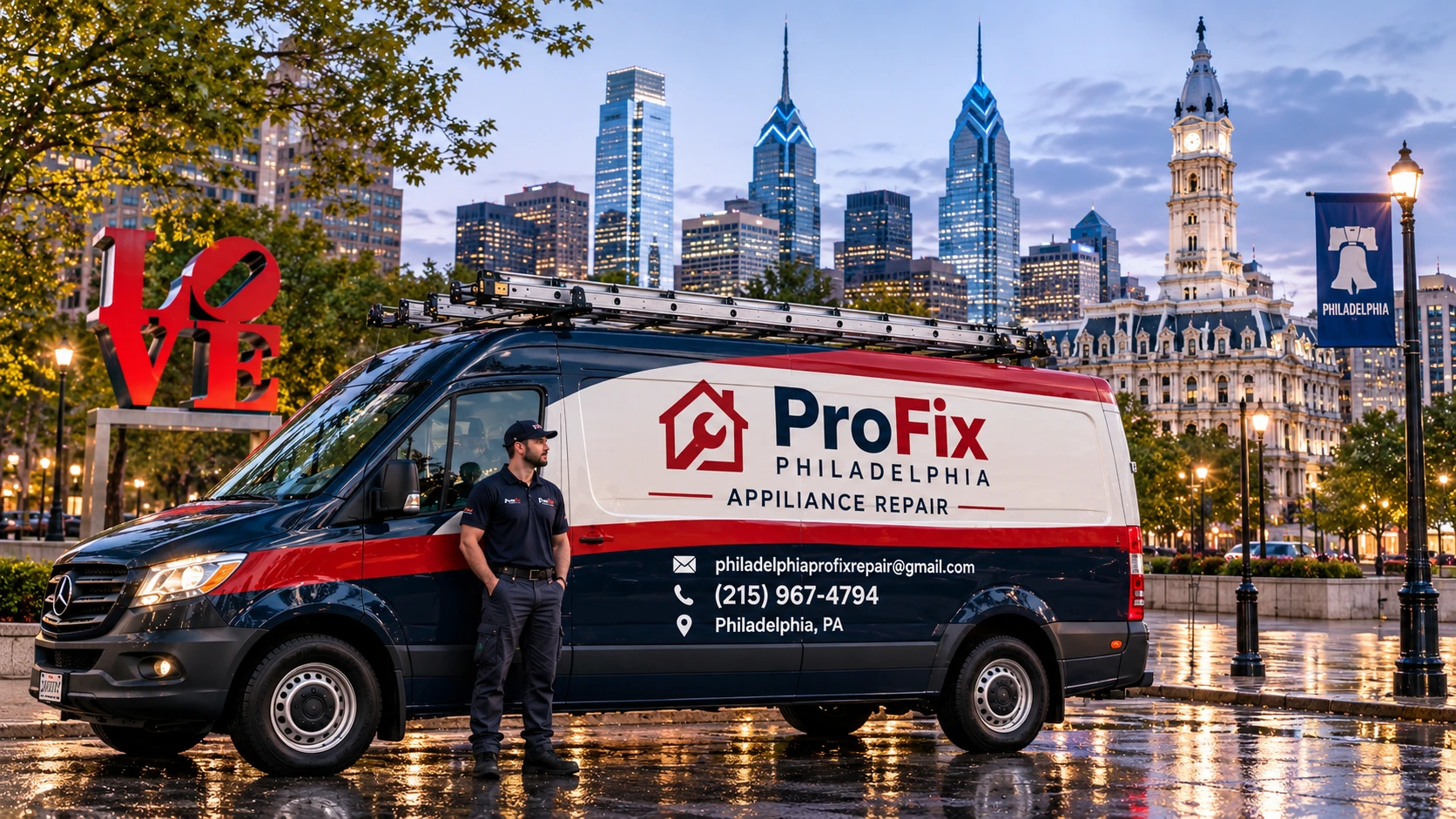
Philadelphia ProFix Repair: independent, in-home appliance repair with a written estimate before any work starts.
Local factors for refrigerator repair in North Philadelphia
Many older North Philadelphia rowhouses have no central air, so a refrigerator in a closed-up kitchen works much harder through a July heat wave. A dusty condenser coil or a tired fan makes it worse, and both are quick to check.
Problems worth ruling out first on a refrigerator in North Philadelphia:
- Water Dispenser Issue
- Leaking Water
- Water Pooling Inside Refrigerator
- Water Under Crisper Drawer
- Water Dispenser Slow Flow
- Water Dispenser Not Working
Known weak spots on Atosa refrigerators
- Warm reach-in
- Prep rail losing temperature
- Noisy condenser fan
- Torn door gasket
Because Atosa equipment runs nonstop in busy kitchens, a torn gasket or dirty condenser soon turns into a temperature problem with possible food-safety consequences. Jobs such as the evaporator fan come with a written estimate up front and a 90-day parts, 30-day labor warranty when they are finished.
Read the full Atosa refrigerator repair guide, with common questions →
Atosa refrigerator repair in nearby areas
Other refrigerator brands we repair in North Philadelphia